Arcade
Every arcade board here runs straight in the browser: no downloads, no plugins, and the credits are free.
Best Arcade games
Fighting games
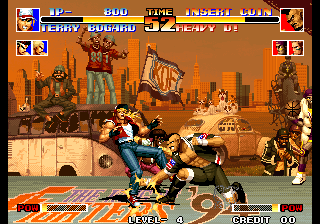
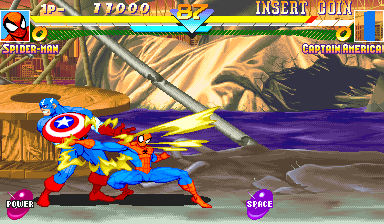
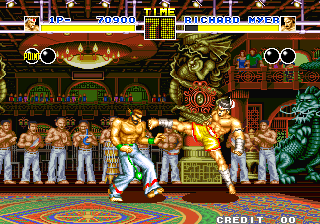
Beat 'em ups
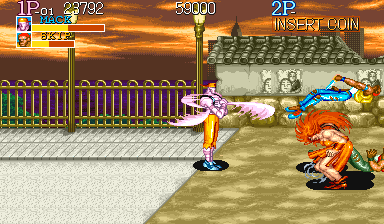
Shoot 'em ups
Machines built to take your coins
An arcade game was not software sold for a console; it was a whole machine built around a single game, with its own board, its own chips and often its own cabinet and controls. That is why the arcade looked ahead of the home consoles for most of the eighties and nineties: a manufacturer could design hardware for one game and nothing else.
It also explains the shape of the games. An operator wanted a machine to turn over a credit every few minutes, so difficulty rises fast and a mistake is expensive. Nothing here is padded: these are short games that expect to be replayed, and the whole design points at the moment you reach for another coin.
What survives of those boards survives because people dumped and documented them, and the emulation running on this page is the result of that work.
Why the same game shows up more than once
The catalogue is built from arcade board dumps, and one game could exist as several boards: a Japanese version, a US version, a European one, later revisions that fixed bugs or changed the difficulty, and bootleg copies. Each one is preserved separately, so you will see the same title listed more than once with a code after it — that code is the board, taken from the dump.
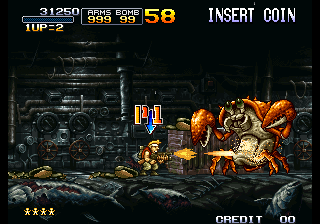
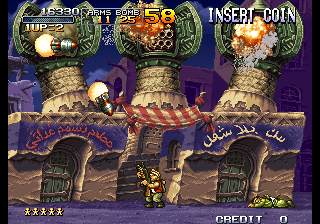
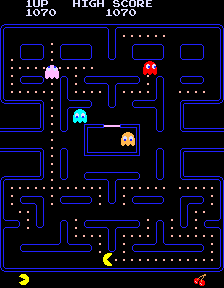
Pac-Man is the clearest case: the set here is the North American release distributed by Midway rather than Namco’s own. And when you see letters and numbers like the ones in Metal Slug 3, they are the Neo Geo cartridge codes. The versions really do differ, so if one feels off, try another.
What to play first
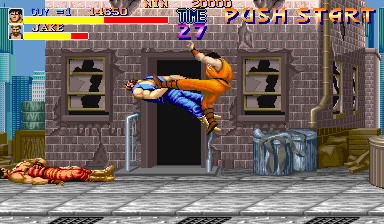
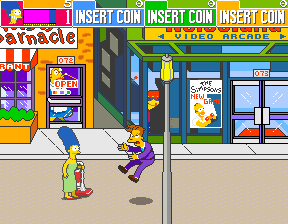
Metal Slug 3 is the easiest recommendation: hand-drawn animation that still holds up, and five missions that take roughly an hour if you keep feeding it credits. Final Fight is Capcom’s 1989 beat ‘em up, the one most of the genre borrowed from afterwards, and The Simpsons is the four-player cabinet version of the same idea.
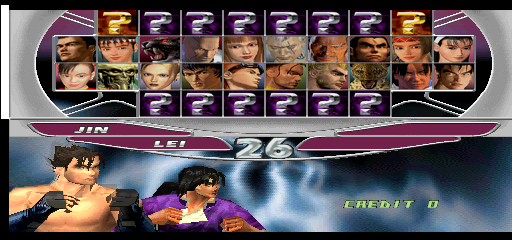
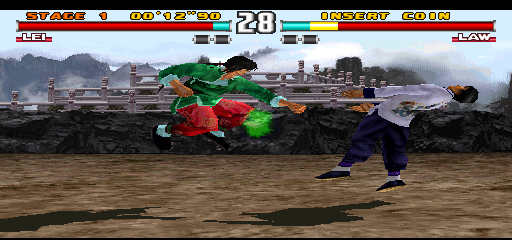
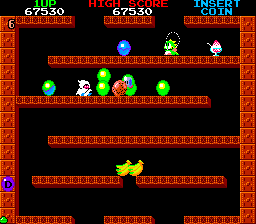
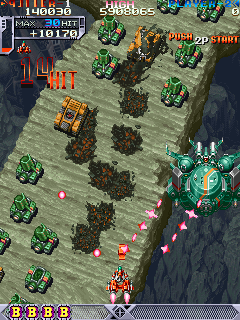
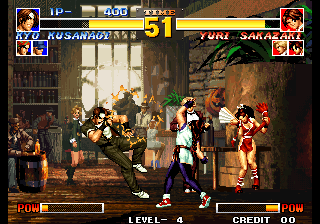
For something shorter, Pac-Man and Bubble Bobble still work exactly as they did in 1980 and 1986 — Bubble Bobble is also two-player, and its hundred rounds are the reason people stayed. If you want to know what a bullet-hell shooter is, open DoDonPachi; if that is too much, start with Raiden. For fighting games there is Tekken Tag Tournament on one side and The King of Fighters ‘95 on the other.
Credits are free here
Games ask for a coin before they start: press the insert-coin key, then Start. The controls table on each game page lists the exact keys, and any USB or Bluetooth gamepad is detected as soon as you press a button on it.
Nothing runs out here, and that changes what these games are. You can finally see the last stage of a cabinet designed to stop you at the third — or you can give yourself one credit and play it the way it was meant to be played.